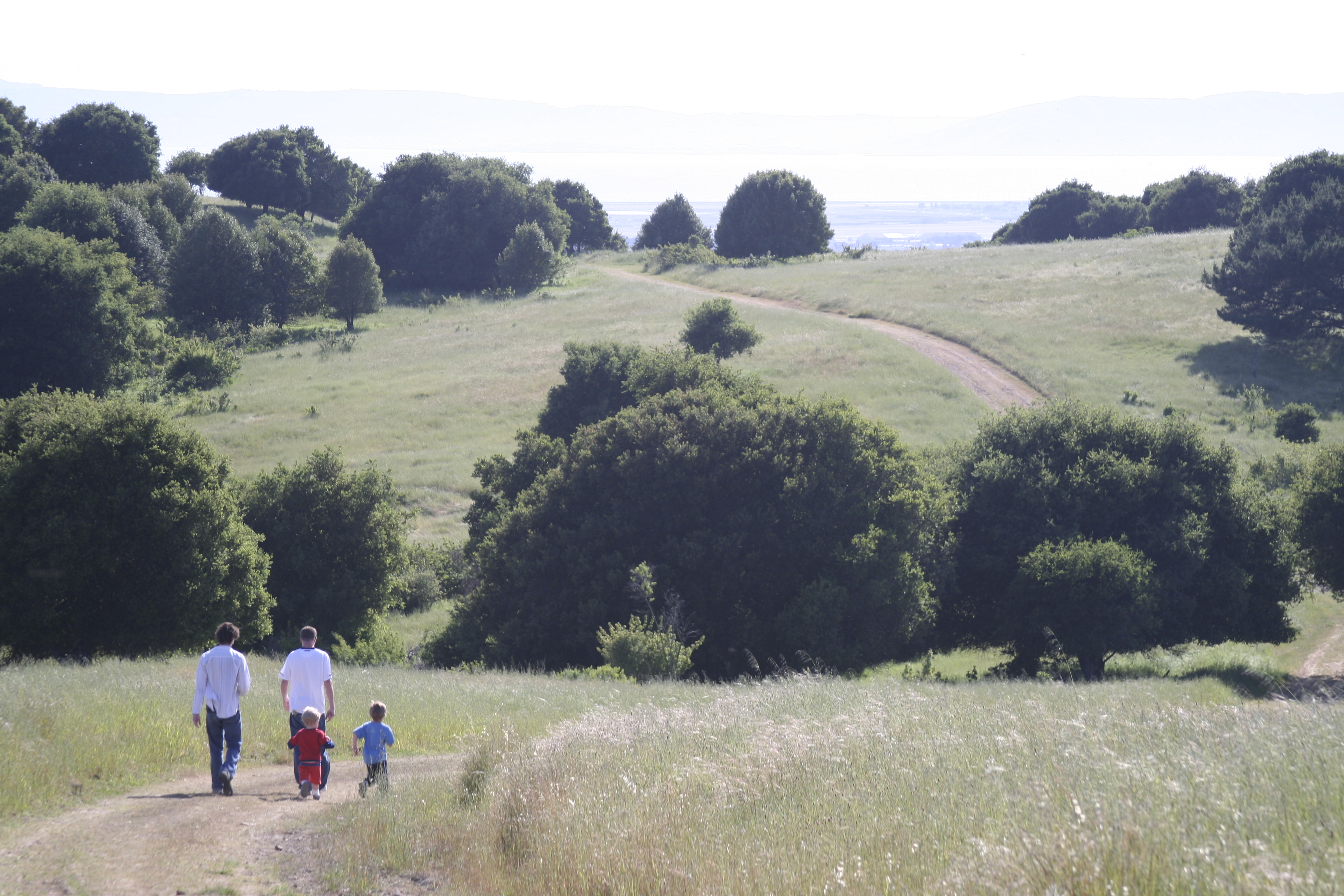
 Below is an article about a remarkable effort to preserve our valuable local parkland, followed by a Letter to the Editor from a Save Knowland Park volunteer.
Continue Reading →
Below is an article about a remarkable effort to preserve our valuable local parkland, followed by a Letter to the Editor from a Save Knowland Park volunteer.
Continue Reading →
Archive | Oakland Politics RSS feed for this section
 Below is an article about a remarkable effort to preserve our valuable local parkland, followed by a Letter to the Editor from a Save Knowland Park volunteer.
Continue Reading →
Below is an article about a remarkable effort to preserve our valuable local parkland, followed by a Letter to the Editor from a Save Knowland Park volunteer.
Continue Reading →
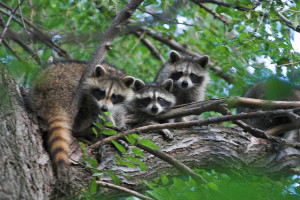
 The hearing officer made his decision: Our appeal against the Zoo's permit to cut down protected oak trees was denied. Continue Reading →
 Despite our letter of objections that we submitted 6-23-2015 during public comment period, plus over 600 emails from the community asking for permit denial, the Oakland Tree Services division has approved the Zoo's application to cut down 55 protected Coast live oaks and risk damage to an additional 424 protected trees "within 10 feet of construction" to make way for its planned "California Trail" exhibit in the upper highlands of western Knowland Park. Continue Reading →
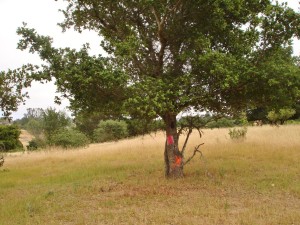 Wow. THANK YOU to everyone who sent in a letter to the Tree Services Division to protest the Oakland Zoo's permit application to cut down over 50 protected oak trees in the heart of Knowland Park.
Over 600 letters (and additional phone calls) were sent to the Tree Reviewer by the June 23 deadline, with copies to the Mayor, City Council, and Parks and Recreation Advisory Commission (PRAC).
Here's the letter we sent to Tree Services with our objections and questions. Continue Reading →
Wow. THANK YOU to everyone who sent in a letter to the Tree Services Division to protest the Oakland Zoo's permit application to cut down over 50 protected oak trees in the heart of Knowland Park.
Over 600 letters (and additional phone calls) were sent to the Tree Reviewer by the June 23 deadline, with copies to the Mayor, City Council, and Parks and Recreation Advisory Commission (PRAC).
Here's the letter we sent to Tree Services with our objections and questions. Continue Reading →
Letter to Editor applauds preservation of our local parkland
Below is an article about a remarkable effort to preserve our valuable local parkland, followed by a Letter to the Editor from a Save Knowland Park volunteer.
Continue Reading →
 Follow
Comments are closed
Tree Appeal Decision, Next Step
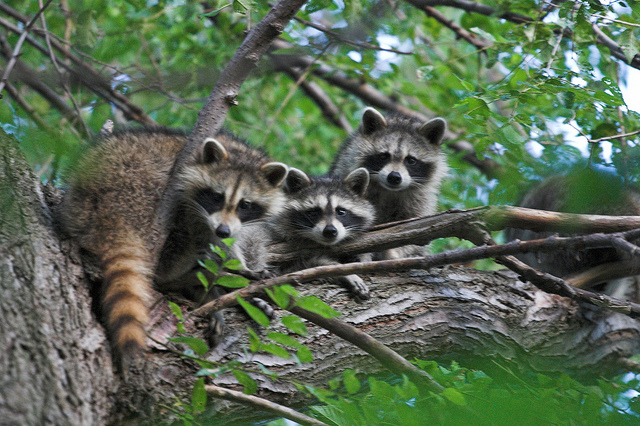
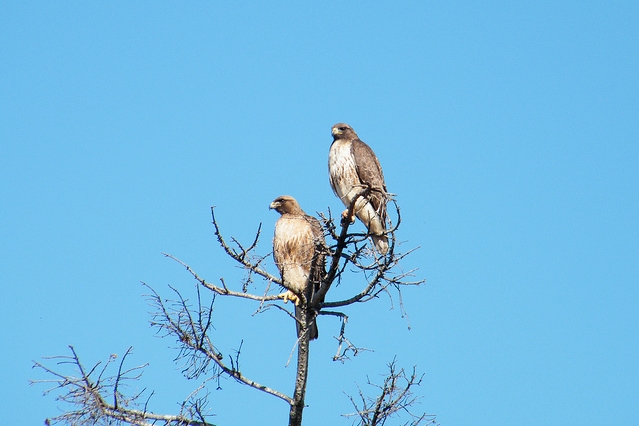 The hearing officer made his decision: Our appeal against the Zoo's permit to cut down protected oak trees was denied. Continue Reading →
Comments are closed
JUDGE HEARS OUR TREE REMOVAL APPEAL
We presented our case at a full-house City hearing on August 18. It was based on our written appeal to protest the Oakland Tree Services decision to grant Zoo management (East Bay Zoological Society) a tree "removal" permit. The permit allows the Zoo to cut down 48 protected Coast live oaks and put 428 more oaks and other native trees at risk during the planned zoo expansion into Knowland Park. Save Knowland Park volunteers spoke to six major issues in the Zoo’s permit application. Others in the audience spoke eloquently of the importance of protecting the dwindling number of Oakland's namesake trees. Continue Reading →
Comments are closed
City Approves Zoo Permit to Destroy Oaks – SKP Files Appeal
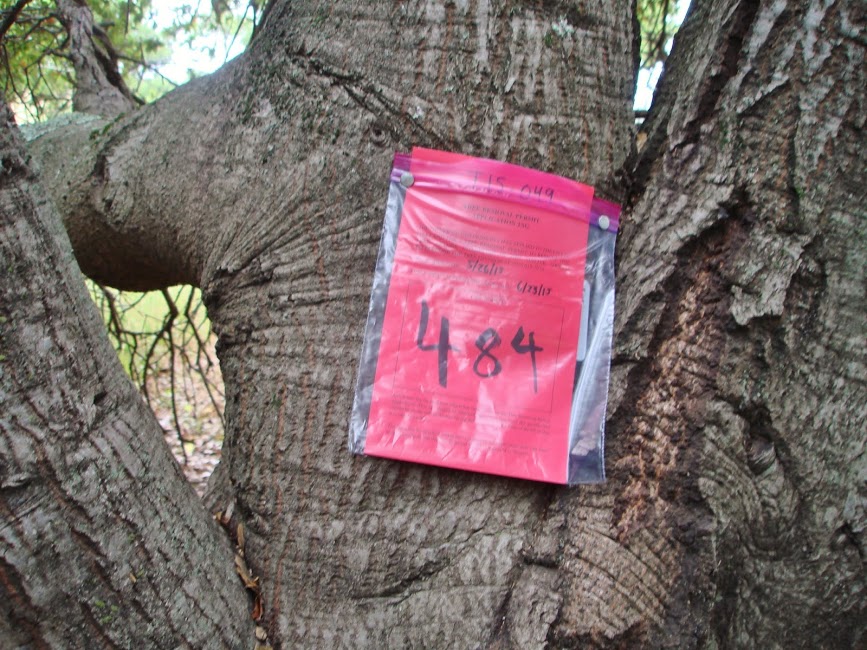 Despite our letter of objections that we submitted 6-23-2015 during public comment period, plus over 600 emails from the community asking for permit denial, the Oakland Tree Services division has approved the Zoo's application to cut down 55 protected Coast live oaks and risk damage to an additional 424 protected trees "within 10 feet of construction" to make way for its planned "California Trail" exhibit in the upper highlands of western Knowland Park. Continue Reading →
Comments are closed
Update: Letter of Protest over Oakland Zoo’s Plan to Destroy Park’s Trees
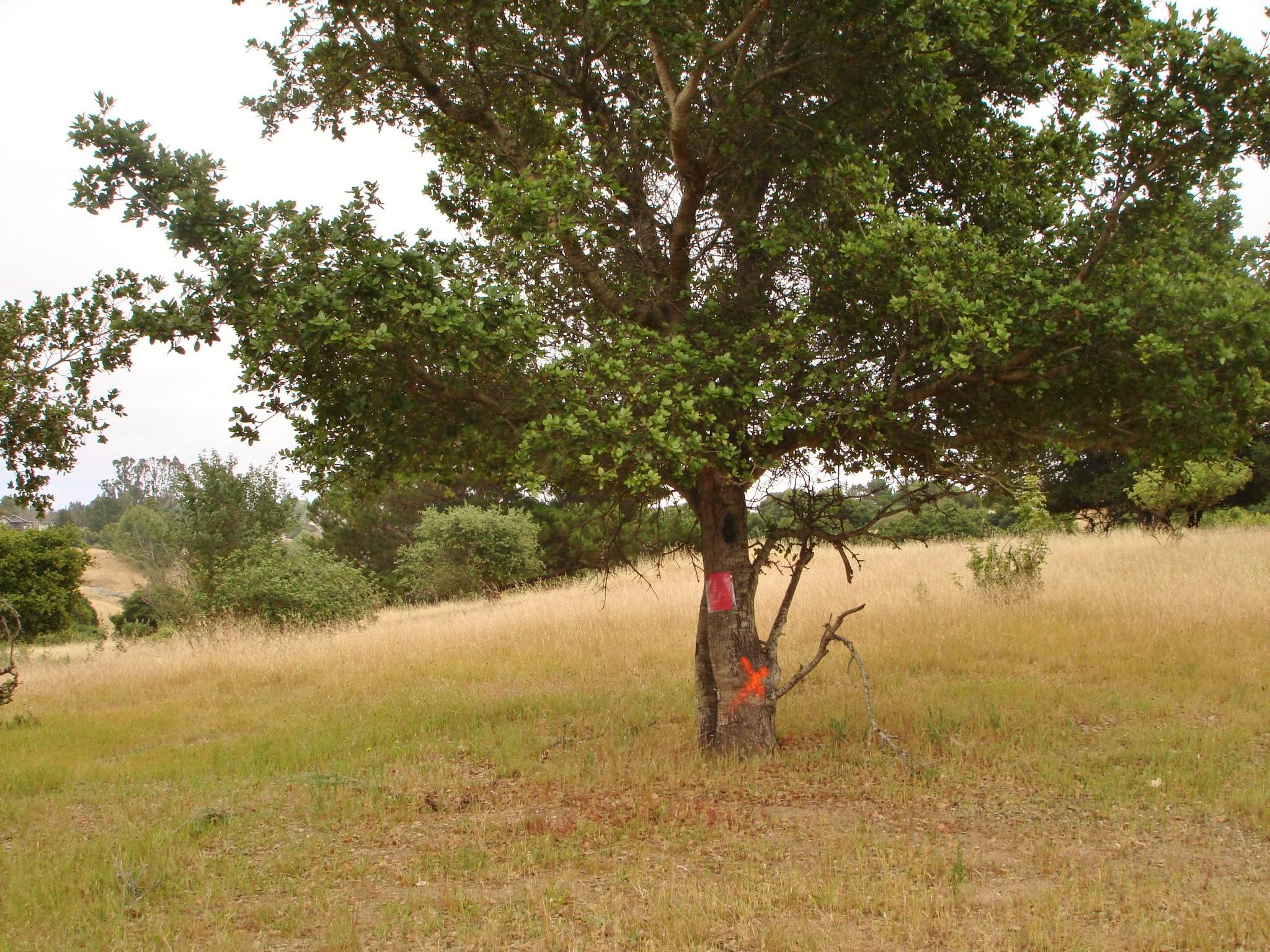
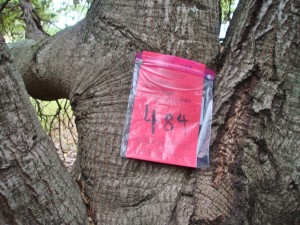
One of the doomed trees
Comments are closed
Social Media
 |
 |
 |


Regular Bloggers
 Ruth Malone |
 Laura Baker |
 Jim Hanson |
 Mack Casterman |
We support Oakland's public spaces!