 Below is an article about a remarkable effort to preserve our valuable local parkland, followed by a Letter to the Editor from a Save Knowland Park volunteer.
Continue Reading →
Below is an article about a remarkable effort to preserve our valuable local parkland, followed by a Letter to the Editor from a Save Knowland Park volunteer.
Continue Reading →
Archive | Uncategorized RSS feed for this section
 Below is an article about a remarkable effort to preserve our valuable local parkland, followed by a Letter to the Editor from a Save Knowland Park volunteer.
Continue Reading →
Below is an article about a remarkable effort to preserve our valuable local parkland, followed by a Letter to the Editor from a Save Knowland Park volunteer.
Continue Reading →
 The hearing officer made his decision: Our appeal against the Zoo's permit to cut down protected oak trees was denied. Continue Reading →
 The East Bay Express has published an in-depth article about the zoo’s expansion plans in Knowland Park called “Zoo Gone Wild.”
Continue Reading →
The East Bay Express has published an in-depth article about the zoo’s expansion plans in Knowland Park called “Zoo Gone Wild.”
Continue Reading →
 It is difficult to imagine the Oakland Zoo proposing anything more outrageous than their plan to build an environmentally destructive “conservation” exhibit on the richest and most sensitive lands in Knowland Park, but in their latest proposal the preposterous trumps the outrageous. The upshot of their bold move toward endgame is that not only would the public lose far more park land than initially approved, but all public access to the very best native plant habitat in the park would be legally barred forever.
Continue Reading →
It is difficult to imagine the Oakland Zoo proposing anything more outrageous than their plan to build an environmentally destructive “conservation” exhibit on the richest and most sensitive lands in Knowland Park, but in their latest proposal the preposterous trumps the outrageous. The upshot of their bold move toward endgame is that not only would the public lose far more park land than initially approved, but all public access to the very best native plant habitat in the park would be legally barred forever.
Continue Reading →
Letter to Editor applauds preservation of our local parkland
Below is an article about a remarkable effort to preserve our valuable local parkland, followed by a Letter to the Editor from a Save Knowland Park volunteer.
Continue Reading →
 Follow
Comments are closed
Tree Appeal Decision, Next Step
 The hearing officer made his decision: Our appeal against the Zoo's permit to cut down protected oak trees was denied. Continue Reading →
Comments are closed
JUDGE HEARS OUR TREE REMOVAL APPEAL
We presented our case at a full-house City hearing on August 18. It was based on our written appeal to protest the Oakland Tree Services decision to grant Zoo management (East Bay Zoological Society) a tree "removal" permit. The permit allows the Zoo to cut down 48 protected Coast live oaks and put 428 more oaks and other native trees at risk during the planned zoo expansion into Knowland Park. Save Knowland Park volunteers spoke to six major issues in the Zoo’s permit application. Others in the audience spoke eloquently of the importance of protecting the dwindling number of Oakland's namesake trees. Continue Reading →
Comments are closed
“Zoo Gone Wild” Investigative Article Lays It Out!
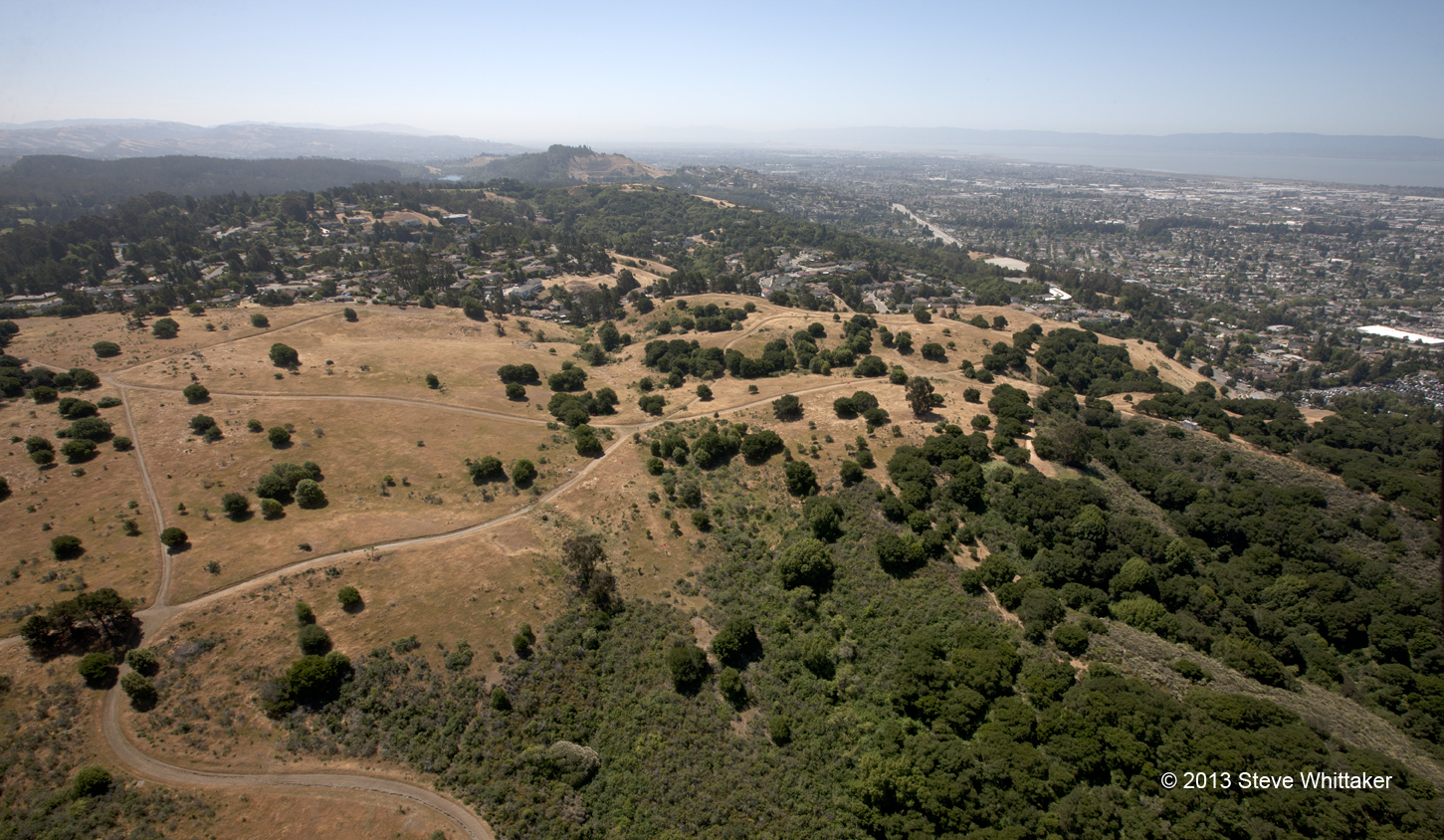
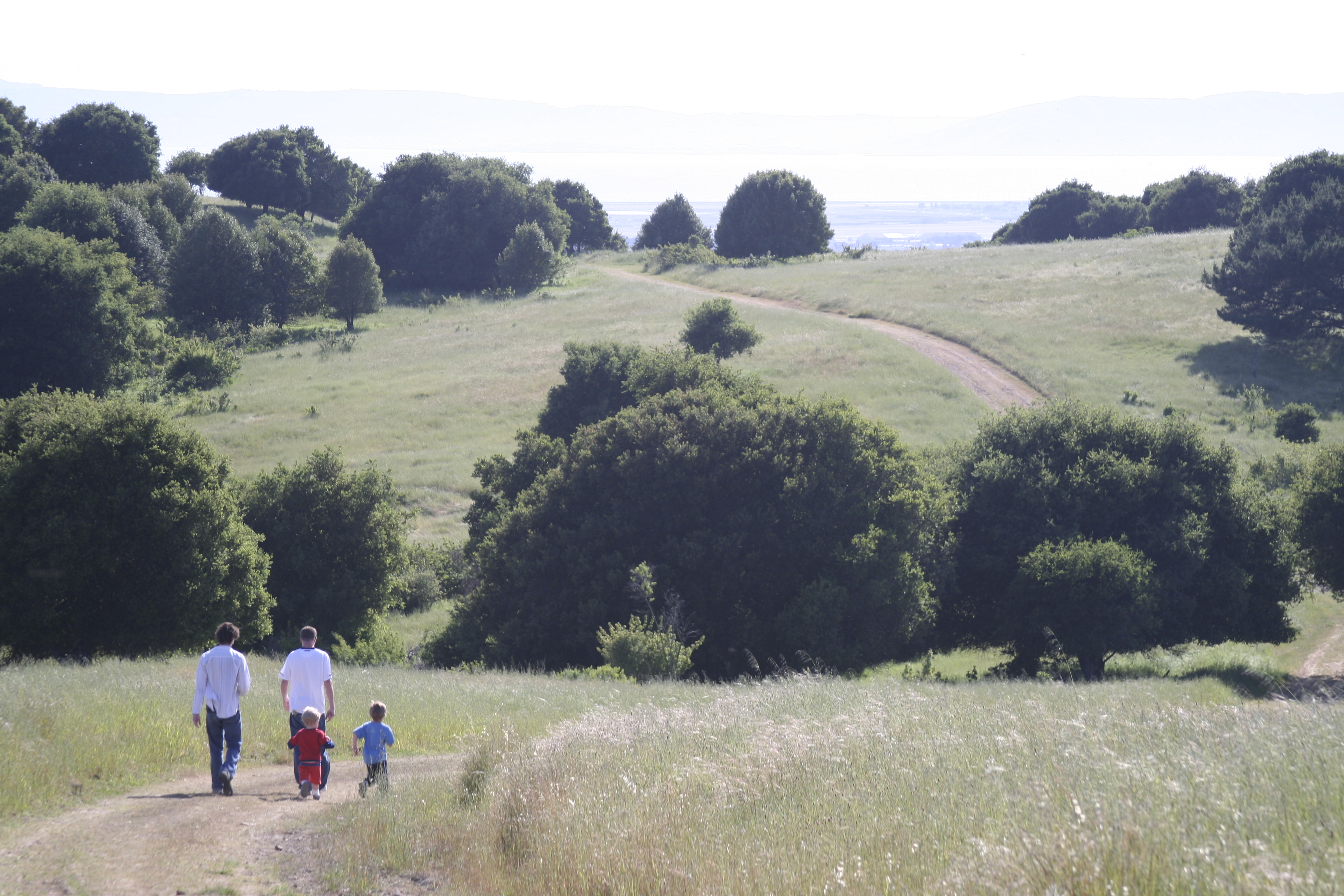
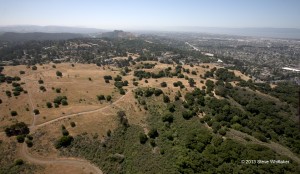
Knowland Park from above
© 2013 Steve Whittaker"
Comments are closed
Snakes, Lies, and Cutting Red Tape: How the Oakland Zoo is Gaming the System
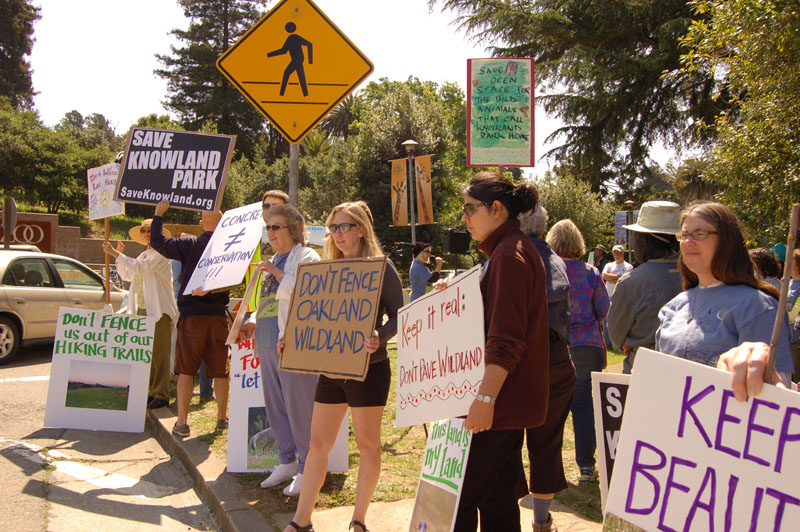
Earth Day demonstration against the Zoo’s latest proposal - Photo by Karen Smith
Comments are closed
Social Media
 |
 |
 |


Regular Bloggers
 Ruth Malone |
 Laura Baker |
 Jim Hanson |
 Mack Casterman |
We support Oakland's public spaces!