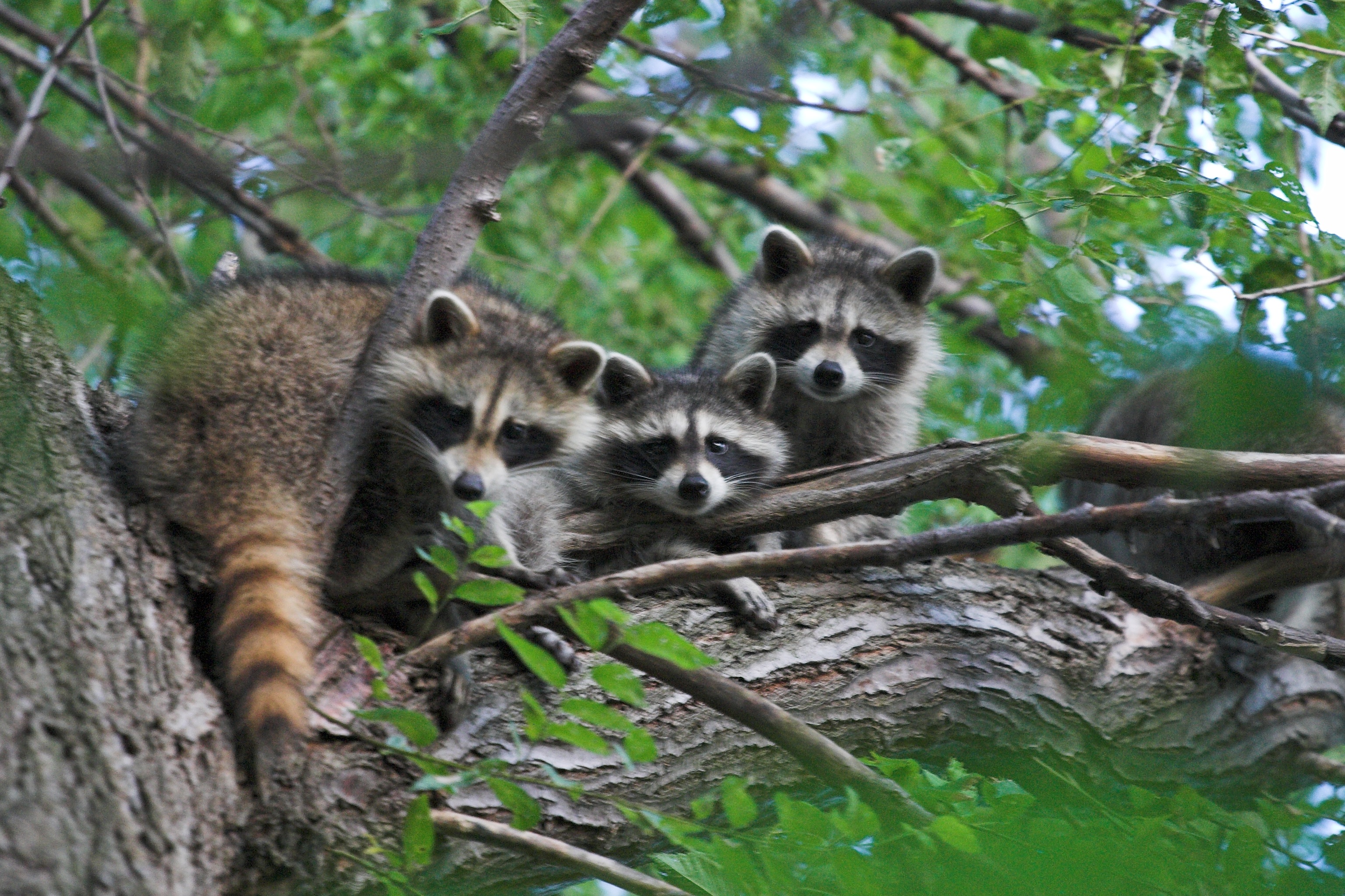
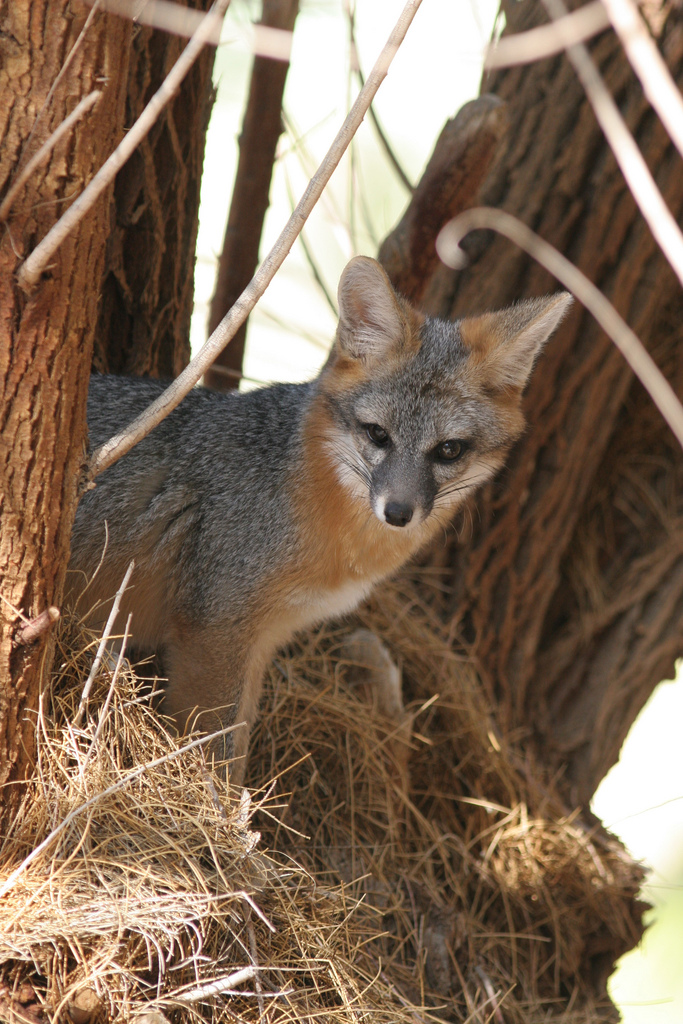
 Mammals found in Knowland Park range from the 100+ lb. mountain lion down to the tiny shrew that weighs a few ounces. Although active year round, many of the mammals are nocturnal, staying hidden from view during the day--the best time to catch a glimpse is dusk or dawn. Most of the park's mammals have fur in shades of brown or gray and are well camouflaged with the notable exception of the striped skunk whose distinct black and white fur advertises a warning to potential predators to back off or else.
Continue Reading →
Mammals found in Knowland Park range from the 100+ lb. mountain lion down to the tiny shrew that weighs a few ounces. Although active year round, many of the mammals are nocturnal, staying hidden from view during the day--the best time to catch a glimpse is dusk or dawn. Most of the park's mammals have fur in shades of brown or gray and are well camouflaged with the notable exception of the striped skunk whose distinct black and white fur advertises a warning to potential predators to back off or else.
Continue Reading →
Mammals of Knowland Park
Mammals found in Knowland Park range from the 100+ lb. mountain lion down to the tiny shrew that weighs a few ounces. Although active year round, many of the mammals are nocturnal, staying hidden from view during the day--the best time to catch a glimpse is dusk or dawn. Most of the park's mammals have fur in shades of brown or gray and are well camouflaged with the notable exception of the striped skunk whose distinct black and white fur advertises a warning to potential predators to back off or else.
Continue Reading →
 Follow
There’s Nothing There
 A few months ago, in the heat of our appeals to the Planning Commission and the City Council, I received an email from a supporter of the Zoo’s theme park development plans for Knowland Park. “There’s nothing there,” she said, arguing that this was a reason to develop it. This floored me for a moment. I tried to think how I could explain, but wondered if we just lived in worlds too different for words.
Continue Reading →
A few months ago, in the heat of our appeals to the Planning Commission and the City Council, I received an email from a supporter of the Zoo’s theme park development plans for Knowland Park. “There’s nothing there,” she said, arguing that this was a reason to develop it. This floored me for a moment. I tried to think how I could explain, but wondered if we just lived in worlds too different for words.
Continue Reading →
A locally-based 21st century conservation movement: There are others out there
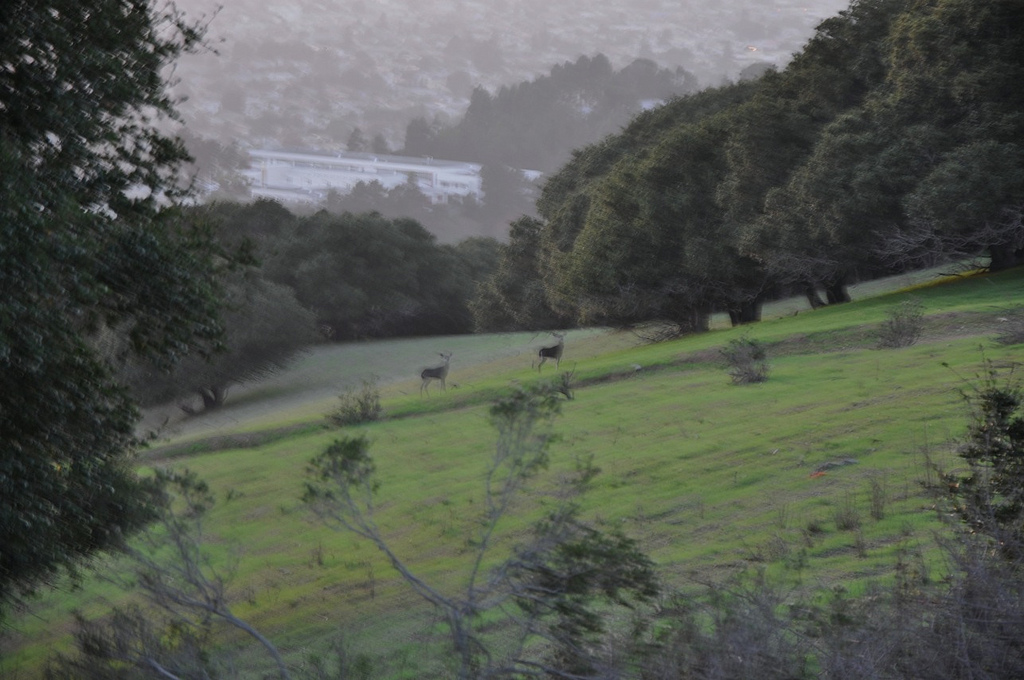 The campaign to save Knowland Park, a grassroots effort born from people’s love for this place, is just one among many, many other grassroots efforts to defend our remaining parks and open space. These efforts have common threads:
Continue Reading →
The campaign to save Knowland Park, a grassroots effort born from people’s love for this place, is just one among many, many other grassroots efforts to defend our remaining parks and open space. These efforts have common threads:
Continue Reading →
Coast Silk-tassel
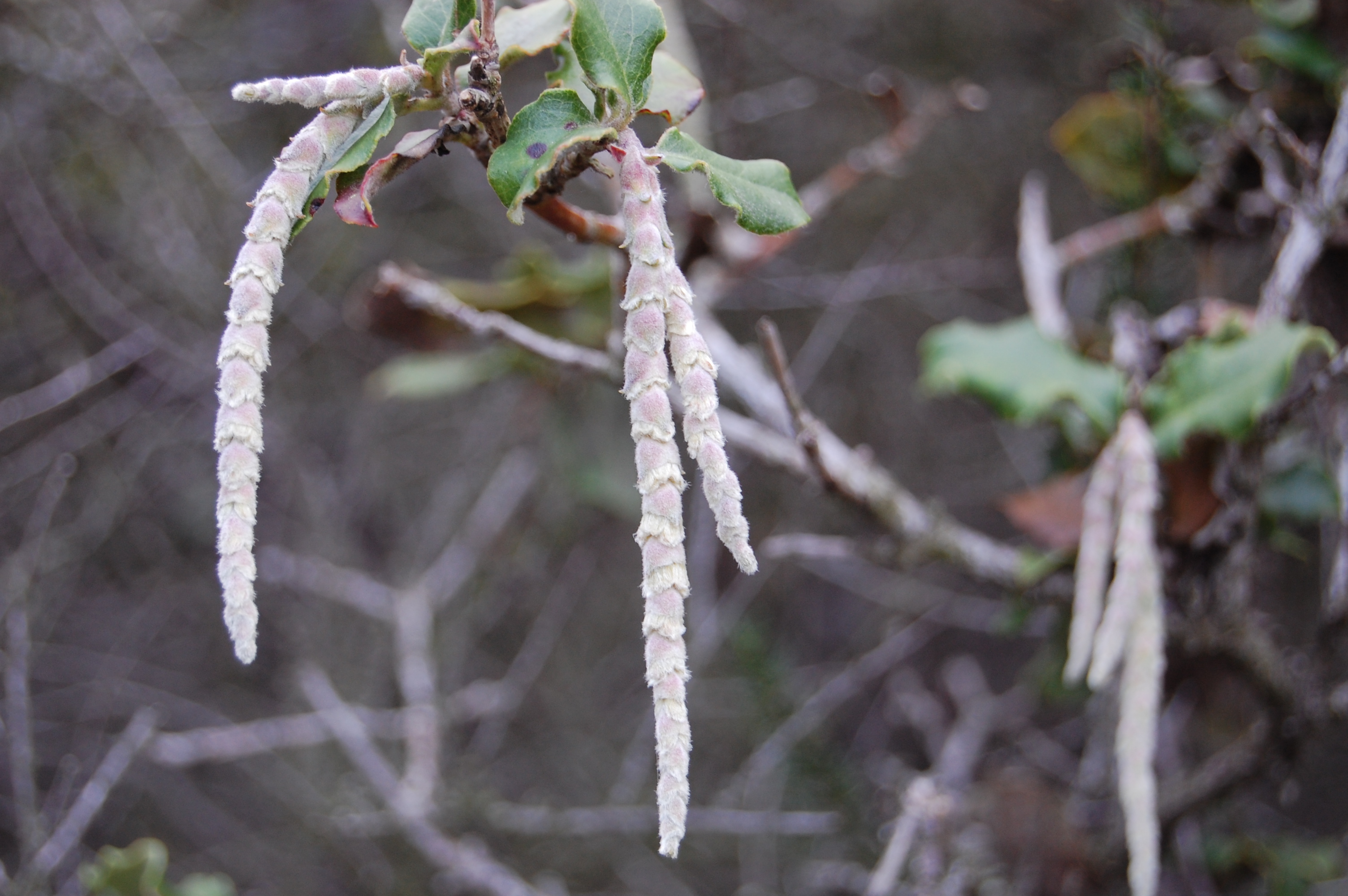 Perhaps the most dramatic of the winter-blooming shrubs found in the Knowland Park chaparral is the coast silk-tassel. As its name suggest, long elegant tassels dangle from the branches, bedecking the plant in soft gray-green catkins. The species is dioecious--there are both male and female plants-and the catkins on the male plants are longer than on the female.
Pollen from the small inconspicuous flowers on the male catkins is wind-blown onto the female flowers. Once pollinated, the flowers develop into a chain of berries which provide food for birds and mammals.
Continue Reading →
Perhaps the most dramatic of the winter-blooming shrubs found in the Knowland Park chaparral is the coast silk-tassel. As its name suggest, long elegant tassels dangle from the branches, bedecking the plant in soft gray-green catkins. The species is dioecious--there are both male and female plants-and the catkins on the male plants are longer than on the female.
Pollen from the small inconspicuous flowers on the male catkins is wind-blown onto the female flowers. Once pollinated, the flowers develop into a chain of berries which provide food for birds and mammals.
Continue Reading →

Social Media




Regular Bloggers
 Ruth Malone |
 Laura Baker |
 Jim Hanson |
 Mack Casterman |
We support Oakland's public spaces!